About FLHH
This came from love, not criticism.
For Love and Health of House exists because electronic music can give people some of the best things in life, and because the people inside this world deserve care too.
My story
Music gave me somewhere to belong.
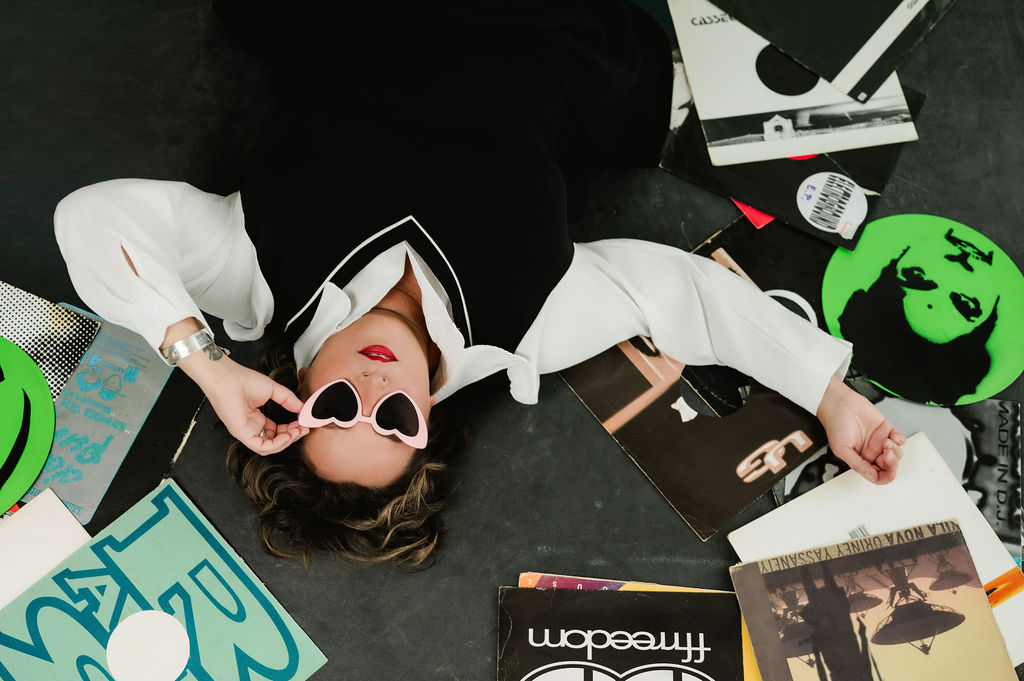
I have probably been in love with music my entire life.
As a toddler I would run up to my parents with a record by The Doors asking them to put it on. This little girl went from Blondie, to Duran Duran, U2 to Madonna to The Cure and then BAM fully connecting and falling head over heels in love with house music when it hit Amsterdam at the end of the '80s. The warehouse parties, the iconic club RoXY and Multigroove were my playground. Every single weekend.
There is complete freedom in music: closing my eyes and feeling it, dancing.
It is an adventure in friendships, expression, and safety. Music brings together people who might never have met anywhere else. Over the decades, I was there while electronic music grew from an underground movement into a powerful global industry.
That expansion created incredible careers, global communities, and extraordinary highs and lows.
More fame, more opportunities, more money, but also more pressure, higher visibility, constant commercial demands, and relentless travelling.
And while all of that was happening, my own life took me on a rollercoaster of depression, eating disorder, burn-out, addiction, and recovery.
I didn't know I was addicted
For a long time, addiction looked like somebody else. I had a very specific picture in my head of what an addict looked like, and it did not look like me.
The worlds I lived in, alcohol and drugs were completely normalised, I had no reference to what 'normal' or accepted was. And even when my use became destructive, I did not recognise what was happening. That misunderstanding kept me stuck far longer than it needed to.
Not everybody is an addict. Not everybody needs sobriety. There is no one size fits all.
At 16, I wanted to become a child psychologist, driven by my nature and an early desire to support others. I set that dream aside because of my own unresolved childhood trauma. Years later, while pursuing a career in music photography, my addiction interrupted that path.
Going to rehab and peer support groups changed everything. It gave me a place where I could really be myself, accepted, and understood. It felt like I could breathe.
Now everything feels like it's coming full circle: my early calling to help people, my passion for the music industry, and my dedication to addiction and mental health awareness. All I want is for people to feel good about themselves. I guess this came from my desire for me to feel good about myself.
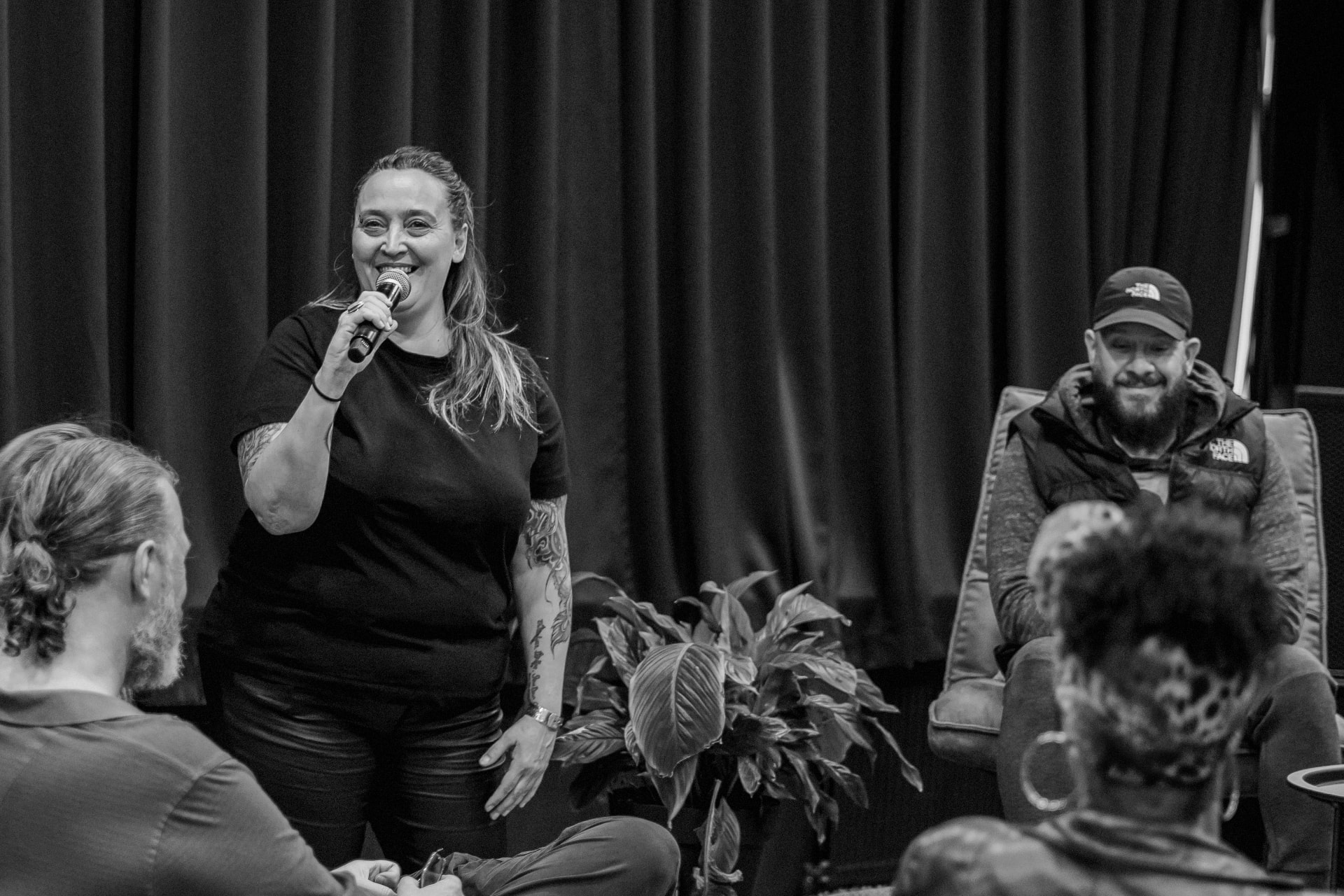
I have always been open. Ask me how I am and I will actually tell you how I am. No "I'm fine" from me. Now I speak publicly about my life so that others can recognise themselves in it and don't have to feel broken, alone, or reach absolute crisis before finding support.
One question became FLHH
The question that sparked the vision
Isabelle Naud and I met during ADE in 2020 and became friends, one day she asked me a simple question: had I ever thought about giving a talk or workshop about recovery during ADE? (That's how I remember it...)
That question was the spark that helped me connect things that had been living in me for years: my love for electronic music, my background in addiction counseling, my own failed career and my recovery. As well as the belief that people should not have to reach rock bottom before they recognise the problem or find support. It is why I had been so open and public about my personal recovery from day one.
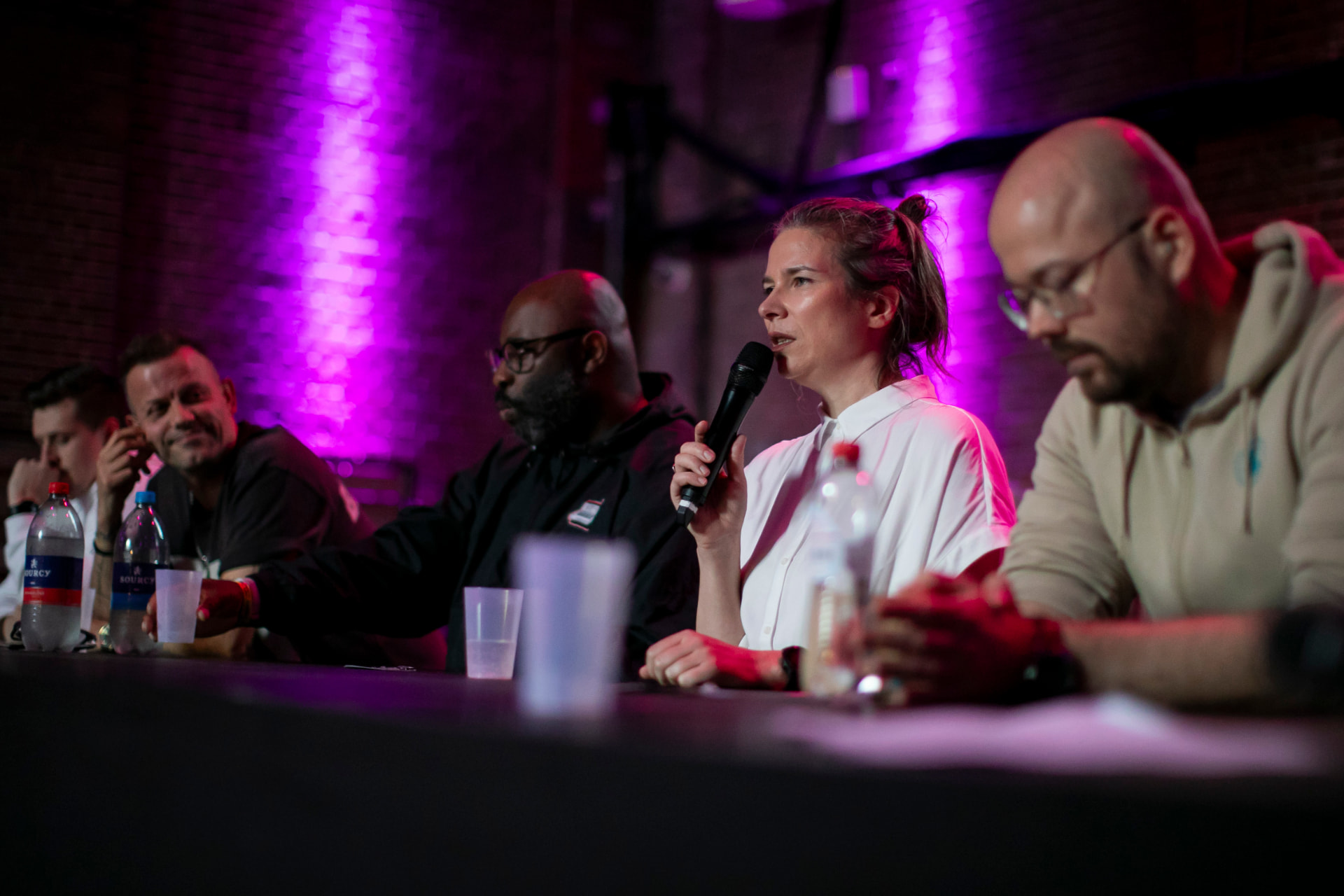
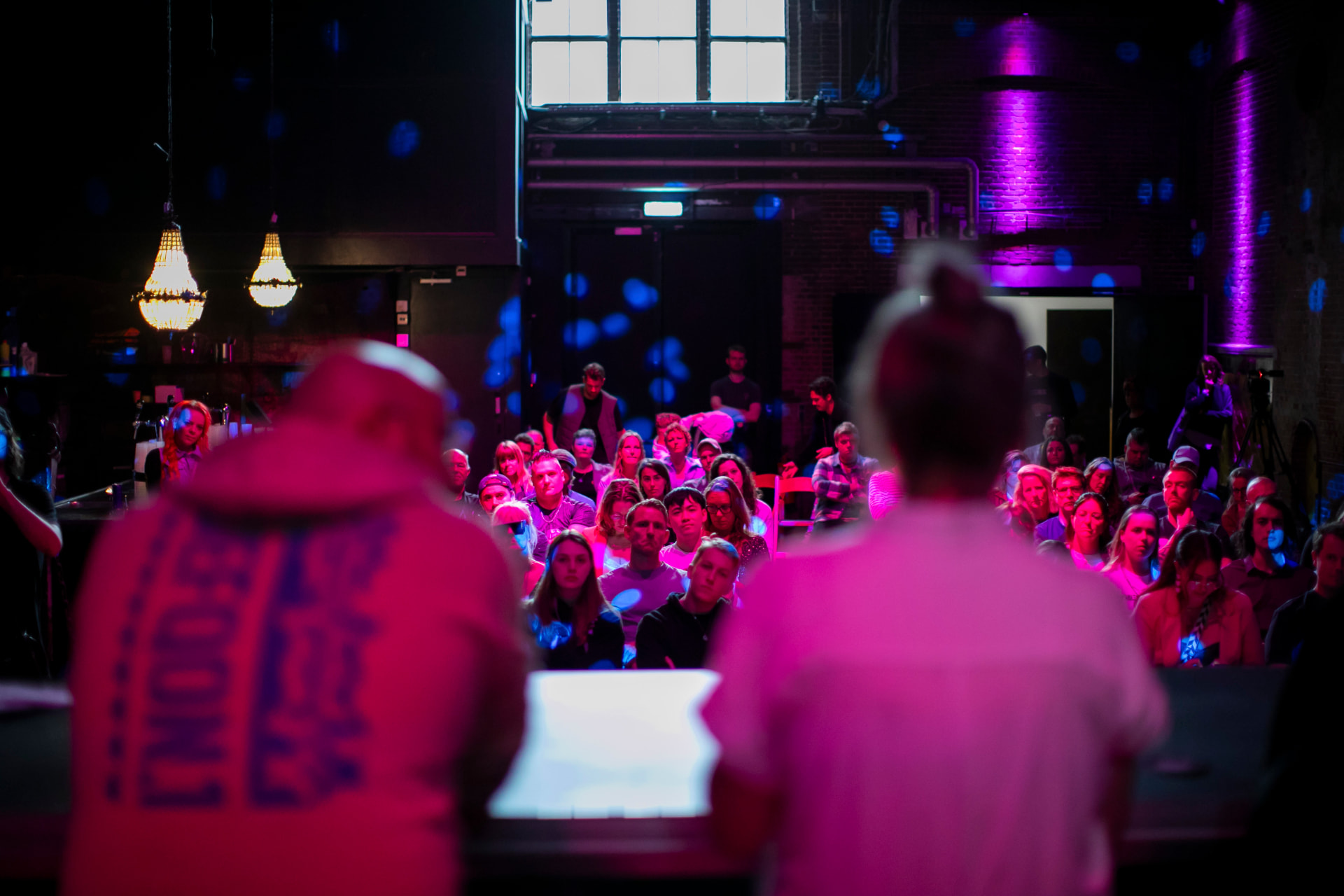
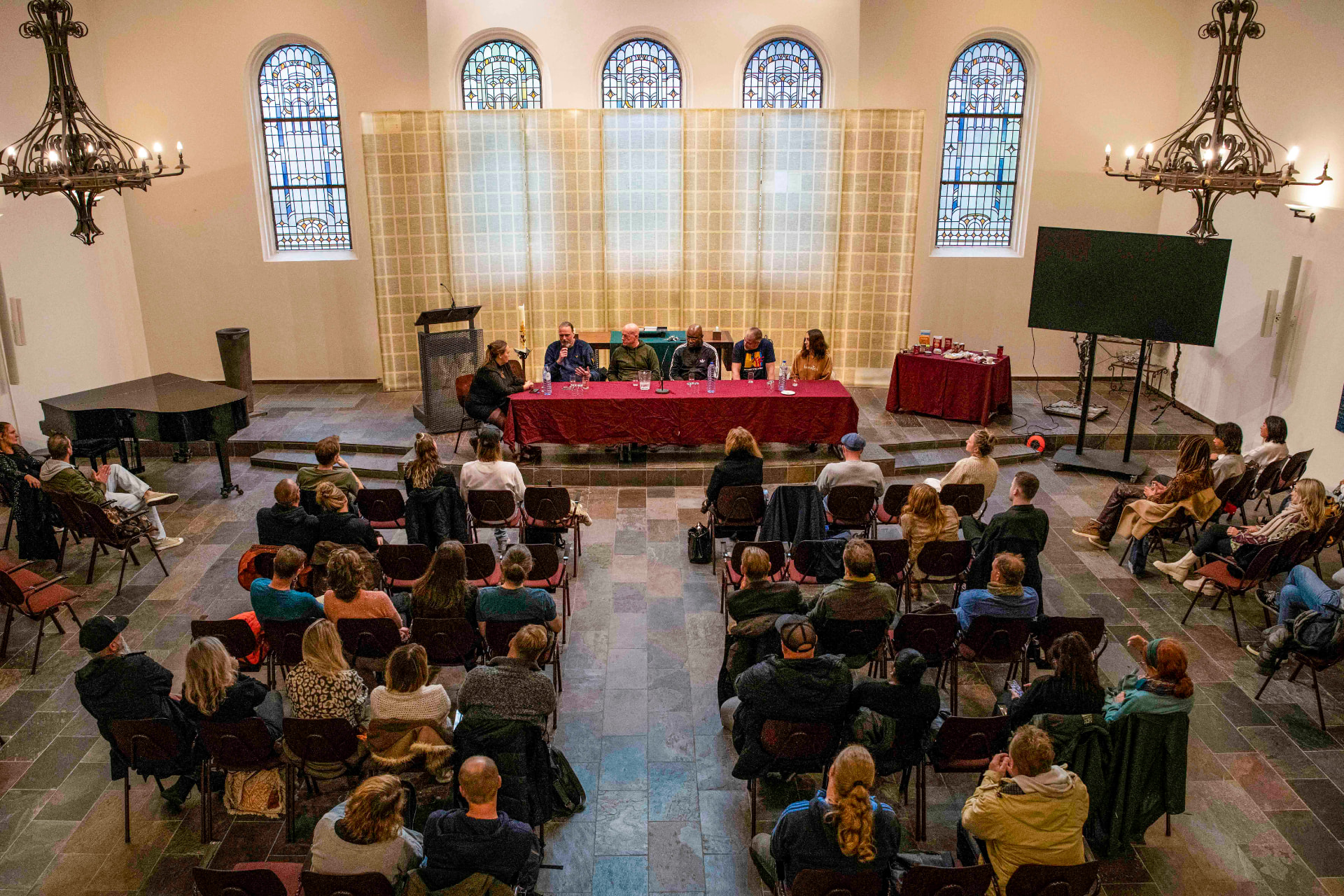
In 2022, we worked together on a pilot and while working on that, my vision grew and became crystal clear. A spark became a full fire. This vision became For Love and Health of House, opening up the conversation about mental health and addiction in the electronic music community, by sharing stories of hope and resilience. In this way we share information and talk about how to thrive in this industry and move forward in a healthier way.
The space between the person and the industry
Nobody enters the music industry as a blank slate. People arrive with their own nervous systems, histories, strengths, cultures, ways of coping and reasons for being here.
Then all of that enters a world of extraordinary highs: music, creativity, celebration, success, travel, community, and possibility, alcohol and drugs. And the lows of rejection, instability, blurred boundaries, exhaustion, loneliness, pressure to keep going, and again... alcohol and drugs.
The interesting question is not whether the person or the industry is to blame. It is what happens when the two meet.
Connection changes things
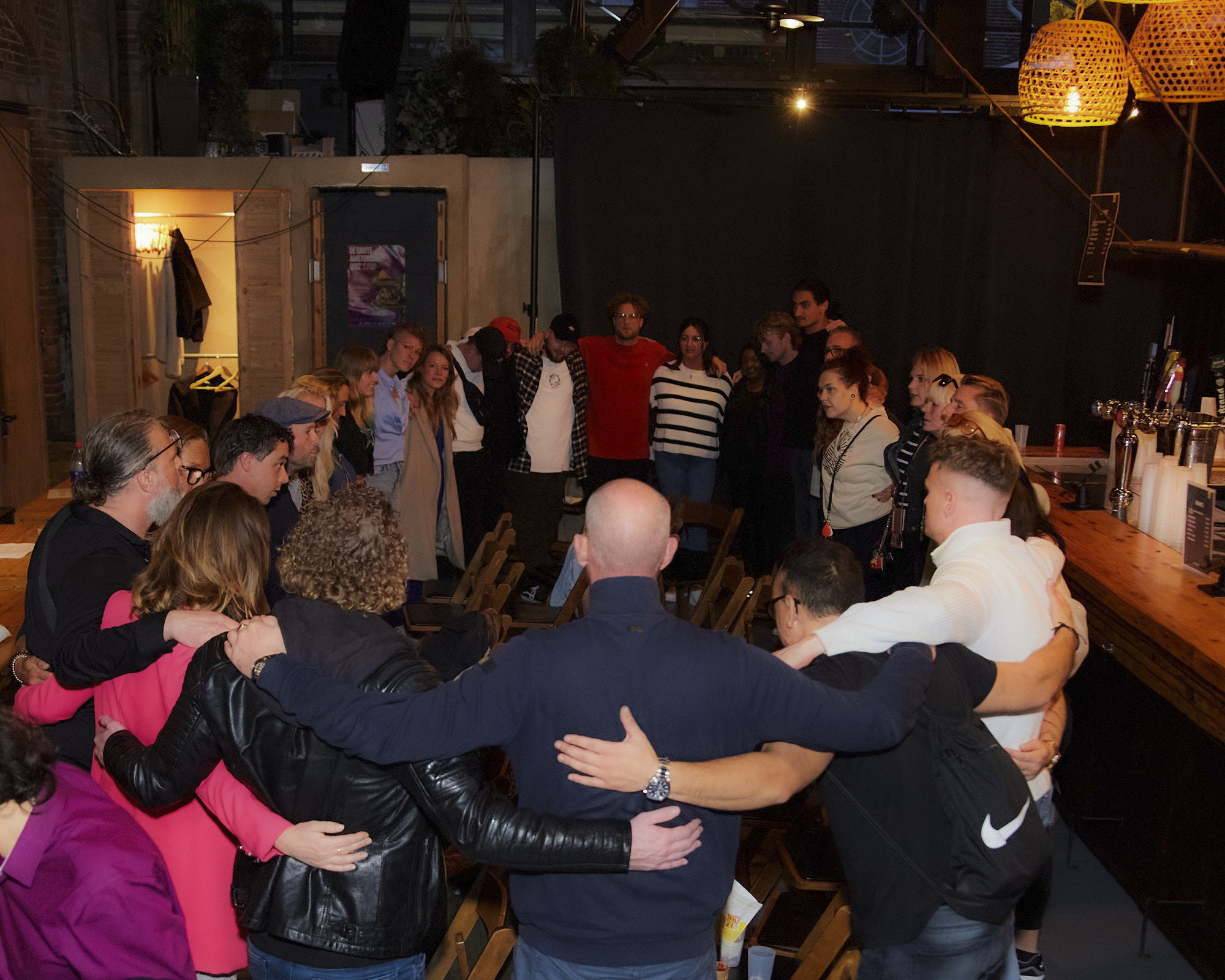
FLHH is built around something very simple: people need other people.
A personal story can make someone recognise themselves. Honesty can break through shame. A conversation can change how someone understands a friend, a colleague or their own behaviour. Feeling understood can change the direction of a life.
That is why FLHH makes room not only for what hurts us, but also for what protects us.
Community. Creativity. Purpose. Belonging. Recovery. Movement. Human connection.
FLHH exists because electronic music gives people some of the best moments in life, and the people who create and sustain this culture deserve support. There is no one-size-fits-all route to health and longevity.
FLHH is where personal wellbeing meets the electronic music industry. Alongside our annual ADE programme, FLHH Sessions are being developed and will start by the end of 2026. Smaller sessions and community initiatives to be held throughout the year to get together for ongoing connection, education, and peer support.
Beyond the annual programme